| |  |  | 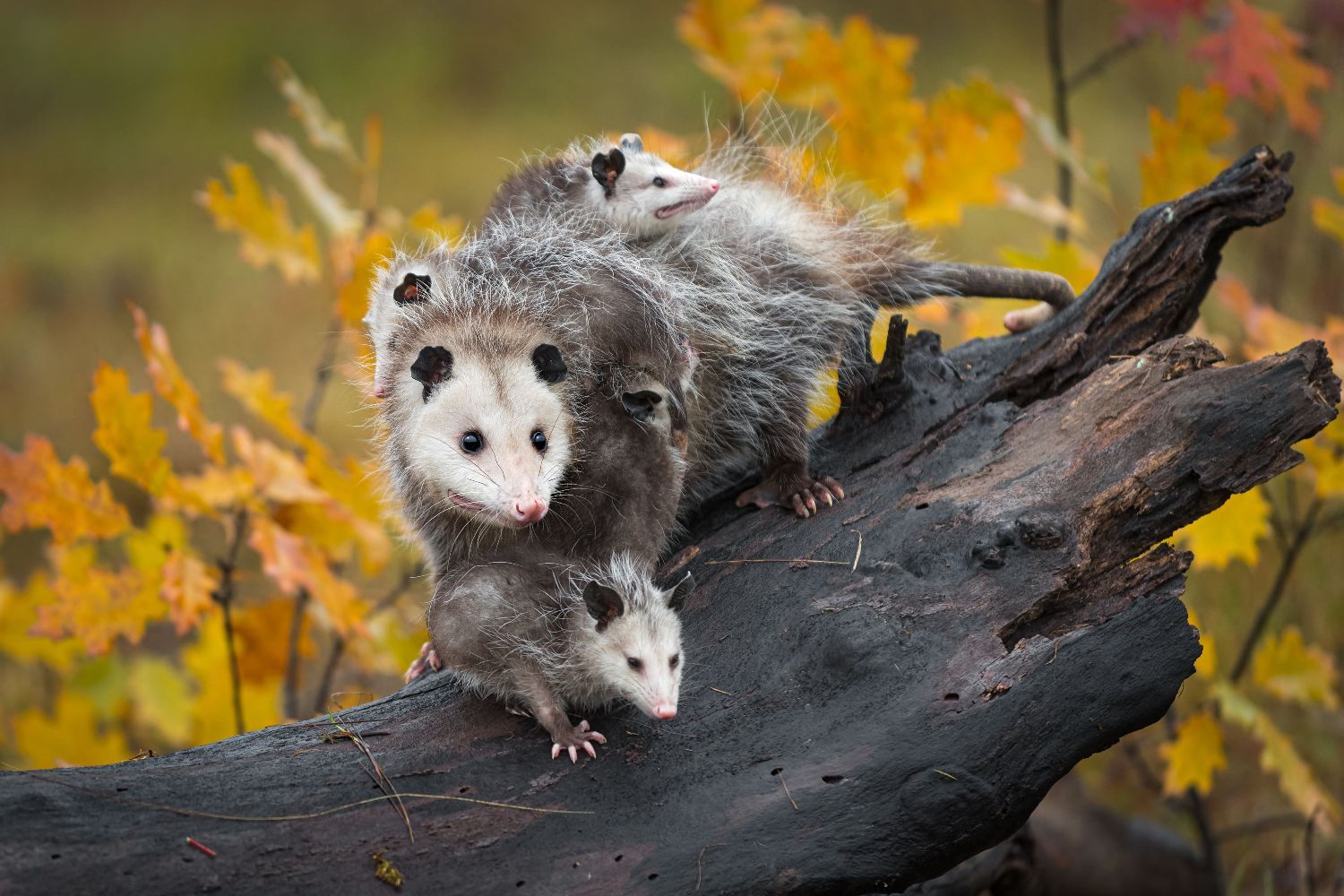 | Why Opossums Deserve a Round of Applause The Virginia opossum is North America’s only native marsupial, and it’s a real-life super hero! Often misunderstood, these highly adaptable animals play an important role in keeping our ecosystem healthy and balanced. From pest control to snake defense, opossums deserve a little extra love. Here are a few reasons we think they are amazing: - Tick eaters: A single opossum can consume thousands of ticks each year, helping to reduce the spread of Lyme disease.
- Immune to Venom: Opossums are naturally resistant to the venom of pit vipers which includes the only two venomous snakes in WNC, rattlesnakes and copperheads.
- Talented Actors: When stressed, they involuntarily "play dead," which includes foaming at the mouth and emitting a foul odor to convince predators they are already a spoiled carcass.
- Nature’s Clean-Up Crew: Opossums help keep the environment clean by eating dead animals, fallen fruit, and even food waste, recycling nutrients back into the ecosystem.
In celebration of Indigenous Peoples’ Day earlier this month, we also want to share a traditional Cherokee story, “Why the Opossum’s Tail Is Bare.” This tale, passed down through generations of the Eastern Band of Cherokee Indians, explains how the clever opossum once had a long, furry tail and how it lost it. It’s a fun reminder of the deep cultural connections between people, wildlife, and these mountains we all call home. You can read a version of the story here and learn more about the Cherokee people who have been the original human stewards of this land since time immemorial. | | | | | | | |  | 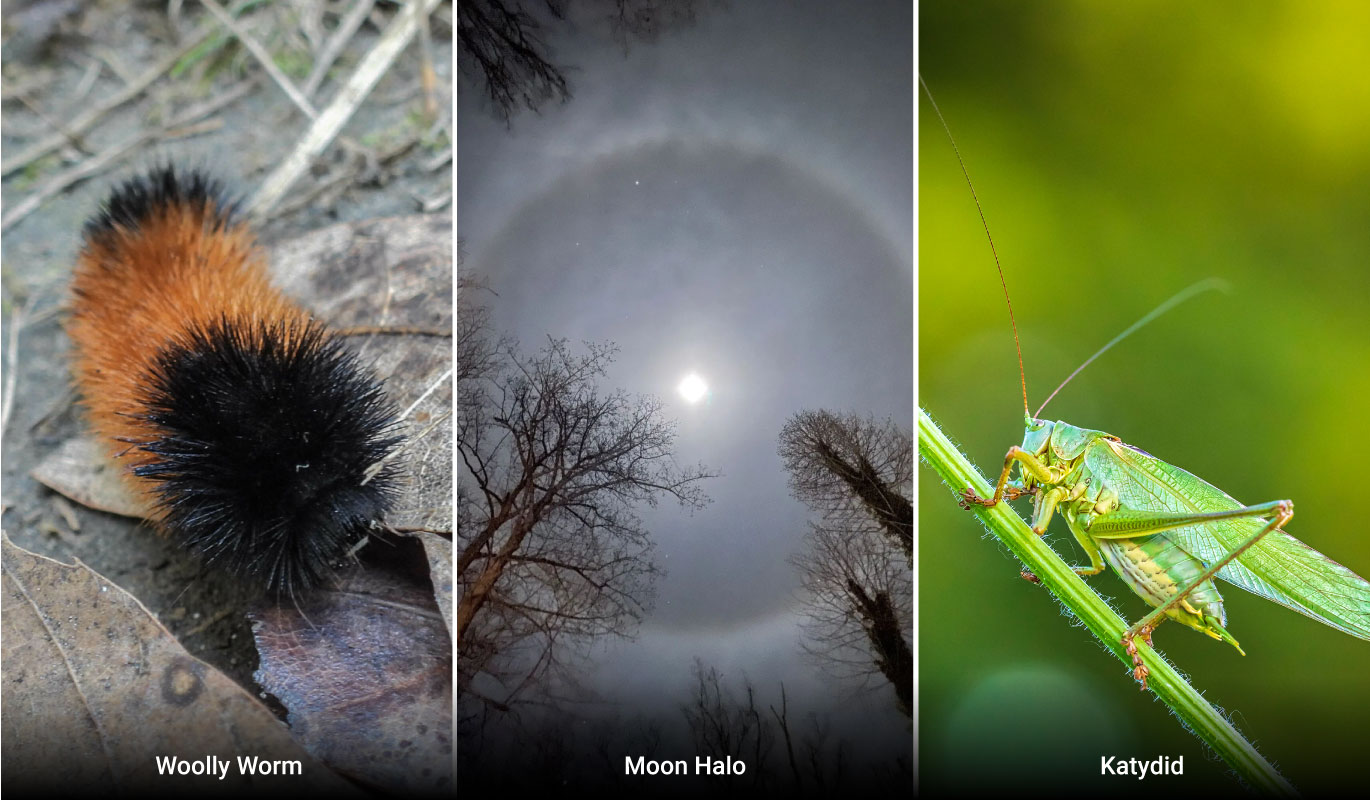 | Harbingers of Winter | Folklore Forecast Appalachia is rich with folklore—tales of Bigfoot, the mysterious Brown Mountain Lights, and countless ways to predict what the weather has in store. As we look toward fall and winter, here are a few pieces of Appalachian lore said to forecast the first frost, hint at coming snow, and even reveal how harsh the season might be. Woolly Worm: The fuzzy black and brown caterpillars of the Isabella tiger moth has long been part of Appalachian winter folklore. It’s said that the width and darkness of its stripes foretell the severity of the coming season: bigger black bands signify harsher weather, while bigger brown bands predict milder conditions. Moon Halo: A ring around the moon is said to mean snow is coming soon. Scientifically, these halos appear when moonlight passes through ice crystals in thin cirrus clouds, which can indicate precipitation coming soon—though not always. Katydid Calls: When you first hear the call of a katydid, mark your calendar—legend says the first frost will arrive about three months later. While there’s no science to support this one directly, their calls are linked to temperature: katydids are active in late spring and throughout the summer, and their chirping slows as the air cools. So even if they’re not forecasting frost directly, their songs signal the changing season and the gradual approach of winter. | | | | | |  | 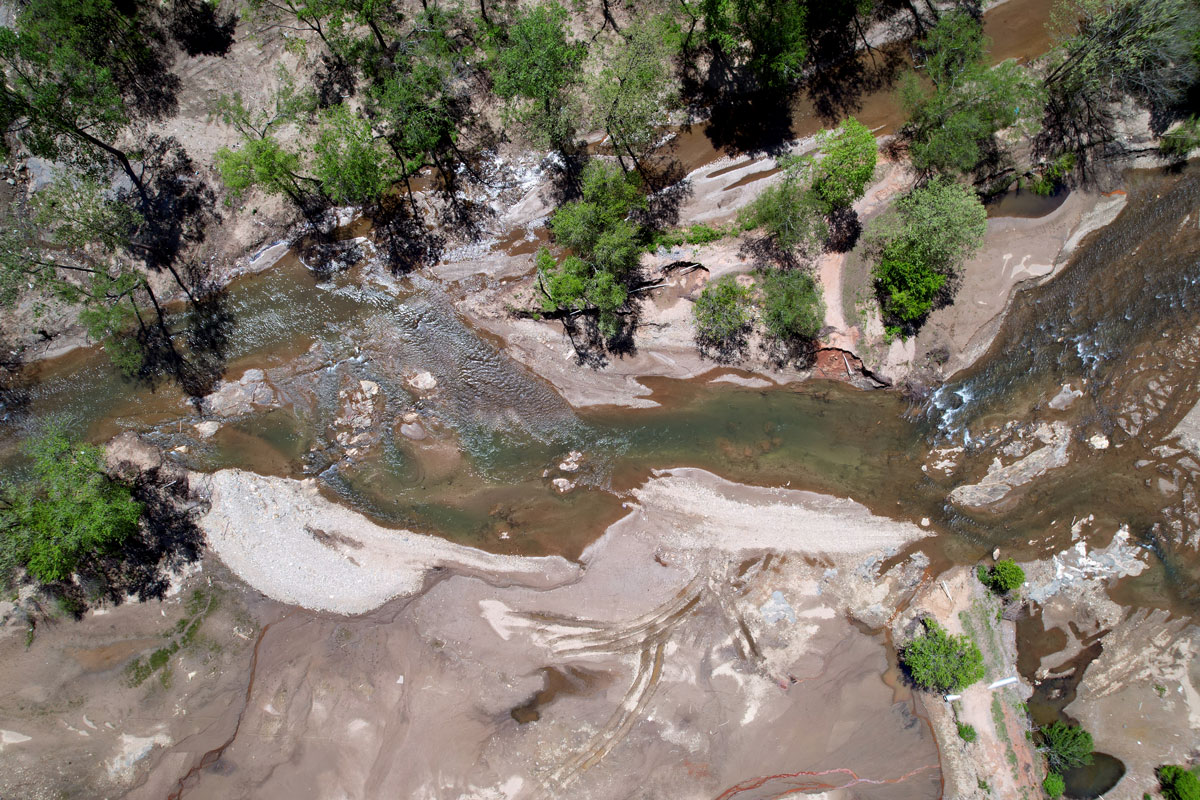 | Charting a Healthier Future for the Middle Swannanoa River When Hurricane Helene swept through the Swannanoa Valley, the storm left behind widespread streambank erosion and damage to the Swannanoa River’s natural buffers—issues that threaten both water quality and nearby properties. To help the river recover and strengthen community resilience, RiverLink has received an $80,000 grant from the North Carolina Land and Water Fund to create a nine-element watershed action plan for the Middle Swannanoa River, a 6.9-mile stretch flowing from Black Mountain to Warren Wilson College. This plan will serve as a blueprint for restoration, identifying pollution sources, prioritizing problem areas, and designing targeted solutions to improve water quality and stabilize eroding streambanks. RiverLink is partnering with Wildlands Engineering to develop the plan, building on an earlier flood damage assessment funded by the Community Foundation of Western North Carolina. Together with Friends and Neighbors of the Swannanoa and Warren Wilson College, RiverLink is engaging local residents and collecting water quality data to guide the work ahead. By combining science, community collaboration, and strategic planning, this project will lay the groundwork for a healthier, more resilient Swannanoa River and the communities that depend on it. | | | | | | | |  | 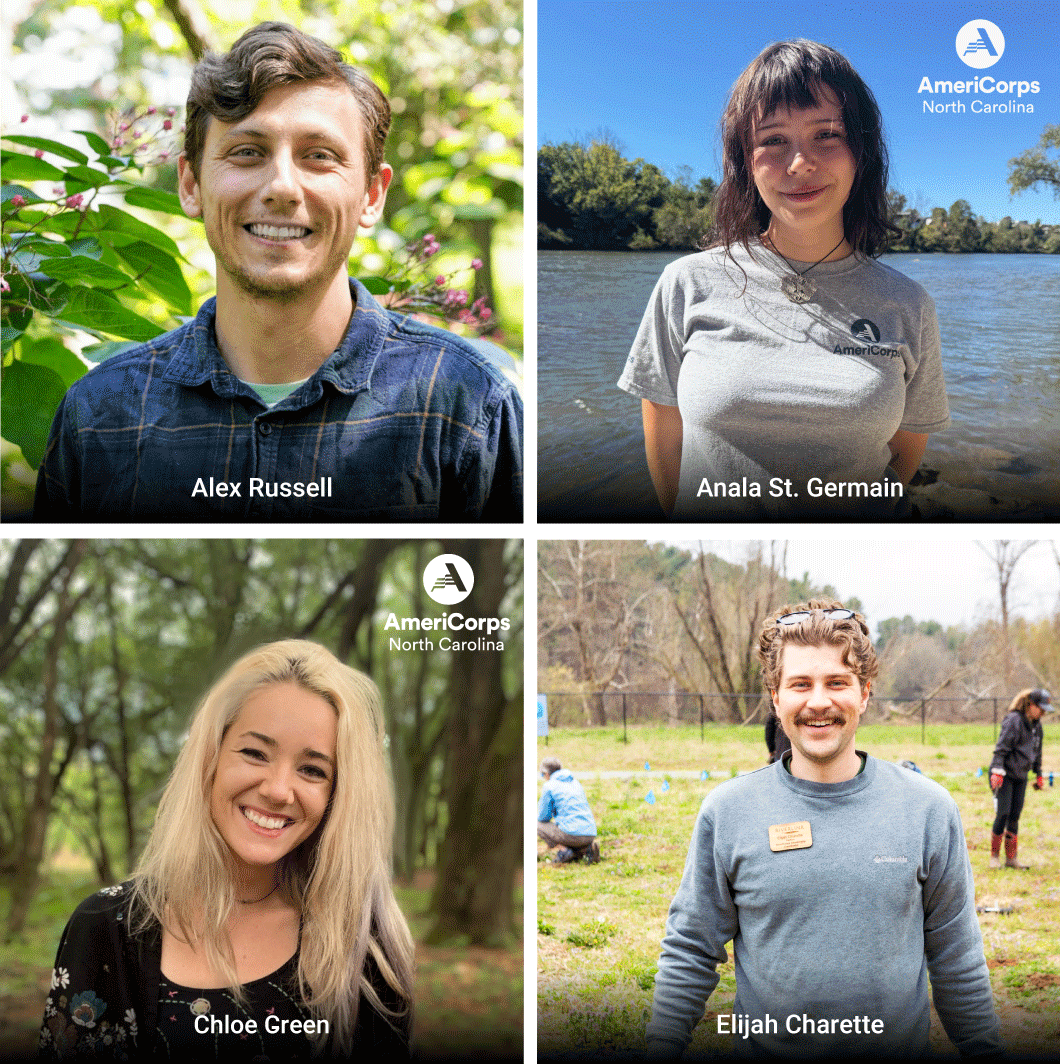 | Meet the New Wave of RiverLink We are excited to welcome two new and two returning team members to our staff for the 2025-26 service year! Joining us through AmeriCorps Project Conserve are Chloe Green, serving as our Watershed Coordinator, and Anala St. Germain, our new Out-of-School Education Coordinator. We’re also thrilled for the inaugural year of our Fellows Program, which was created to sustain our work in light of funding cuts with AmeriCorps. After joining RiverLink as a camp counselor a couple years ago, Alex Russell will return to educate students about freshwater ecology as the In-School Education Coordinator, while Elijah Charette returns for a third year as Stewardship Coordinator, continuing his outstanding work leading volunteer and restoration projects across the watershed.
These vital positions are made possible through the generous support of Pisgah Investments Foundation and The Pigeon River Fund, whose partnership helps us engage the greater community in protecting and connecting with the French Broad River. We’re grateful for their continued investment in the next generation of environmental leaders. We encourage you to learn more about these new members of the team and the incredible experience they bring on our staff page. | | | | | |  |  | Spotlight on Generosity | Pisgah Investments Foundation Investments come in many forms, and as economist and author Anna Lappé noted, “Every time you spend money, you're casting a vote for the kind of world you want.” RiverLink is grateful to receive support from many generous foundations established to allow resources to be translated into action for a better world. In the wake of Hurricane Helene, and a sharp reduction in the federal Americorps program, Pisgah Investments Foundation expanded its commitment to RiverLink’s efforts considerably. We are delighted to be able to deepen our partnerships with local schools and universities as a result—especially Warren Wilson College—to expand our work with students and faculty to advance environmental education and restoration in the field. | | | | | | | | Other News -
Sasaki debuts RAD Visioning + Planning ideas at RADfest, 10-5 on Saturday, November 8. Asheville’s River Arts District will be pulsing with creative energy during this two-day celebration of art and culture. Please swing by our booth and see the RiverLink + UnifiedRAD + Sasaki findings and proposed catalyst projects from their months-long visioning and planning work, assisting the RAD craft community’s recovery for improved resilience. -
Life in the Floodplain: Post-Helene Resilience + Reality - RiverLink Executive Director, Dr. Lisa Raleigh, will speak to WNC Sierra Club’s Monthly Meeting Nov. 5 at 7pm, addressing community resilience near our dynamic waterways. Join us at UNCA’s Reuter’s Center, Room 100, or watch online at this link. -
Public volunteer events October 24 & November 5 - Join us for an upcoming volunteer day to make an impact in our French Broad Watershed. On October 24, we will be maintaining rivercane and new plantings in areas damaged by Hurricane Helene's flooding. On November 5, we will be working to maintain our native meadow at Karen Cragnolin Park. More information available here on our volunteer page. -
Our friends at Highland Brewing embrace the chilly season each year with a weekend festival celebrating their latest Cold Mountain Winter Ale. Now in its 29th year, this year's event is chock full of live music, fire dancers, ice sculpture, and family-friendly activities, all on tap for the weekend of November 6-9. If you'd like to attend, the first 20 souls to email [email protected] will get free admission at the door! Cheers to the river lovers! | | | | Thanks for being part of our French Broad River community! | | RiverLink promotes the environmental and economic vitality
of the French Broad River and its watershed. Please join us with a gift today! | | | | | | | | | | | |


