| |  |  | 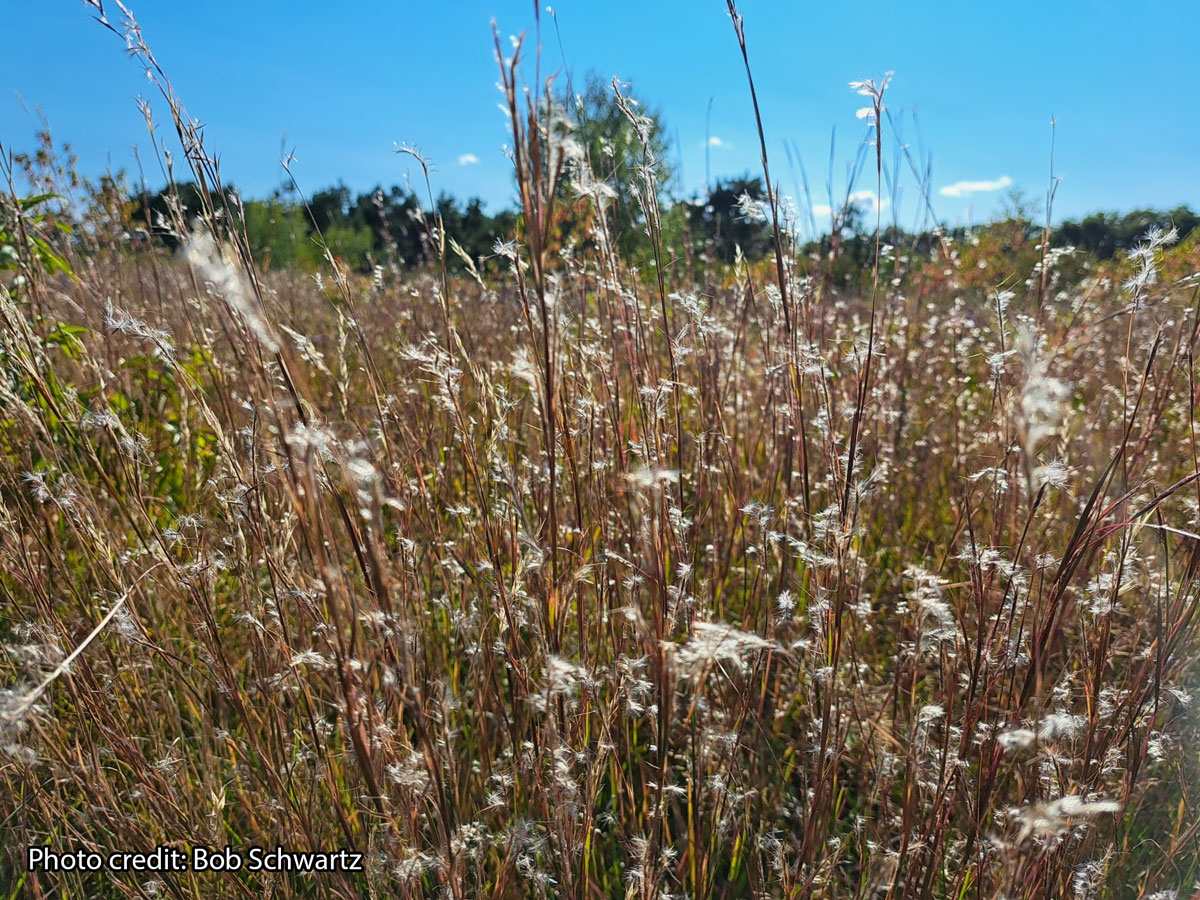 | Native Grasses | A Response to Extreme Drought As Western North Carolina remains in Extreme Drought (the second-most severe category), we are all feeling the impacts—our rivers and streams are running abnormally low, lawns are turning brown, and some communities have been forced to implement water restrictions. Unfortunately, as the climate warms we can expect to experience these kinds of weather extremes more often. The good news is that some plant species are better equipped to handle these conditions than others. Click through to see just a few of our favorite drought-resistant native grasses, and consider letting them grow tall mixed with flowering meadow plants to create food and cover for wildlife. It’s a gift for you, too — a yard you don’t have to mow! | | | | | | | | | |  | 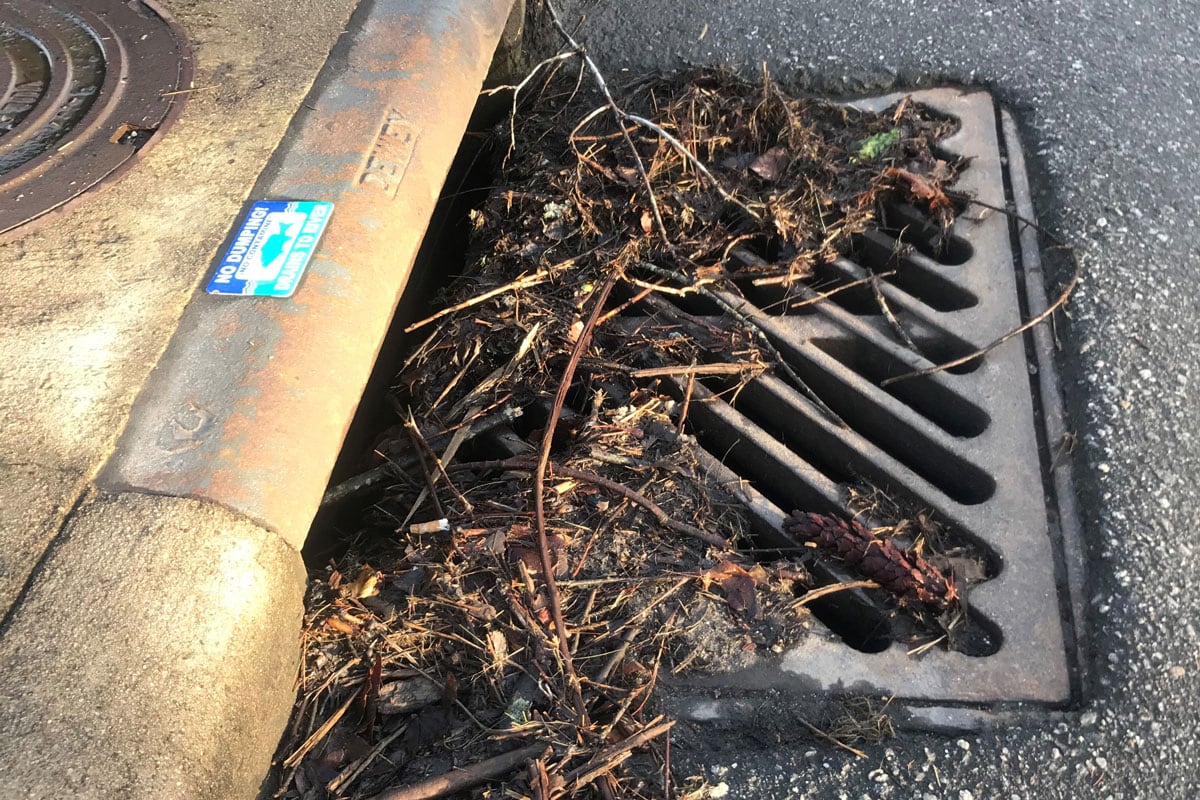 | Your New Mantra | Only Rain Down the Drain A new report by the Environmental Integrity Project has found that 50 years since the passage of the Clean Water Act, half of the rivers and streams in the U.S. are unfit for swimming, fishing, or drinking. In urban areas, stormwater runoff is the leading source of water pollution. As land is developed, the extent of impervious surfaces increases (parking lots, roads, building roofs), leading to higher volumes of water that have less opportunity to soak into the ground. Stormwater flowing across impervious surfaces gathers pollutants along the way before entering the storm drains along our streets — where it’s piped untreated into the nearest stream. RiverLink works to reduce polluted stormwater by managing an Adopt-a-Storm Drain volunteer program, championing green stormwater infrastructure projects, and promoting residential stormwater filtration systems like rain gardens. Are you ready to help protect our natural waterways? Click below to adopt a stormdrain near you. | | | | | | | |  | 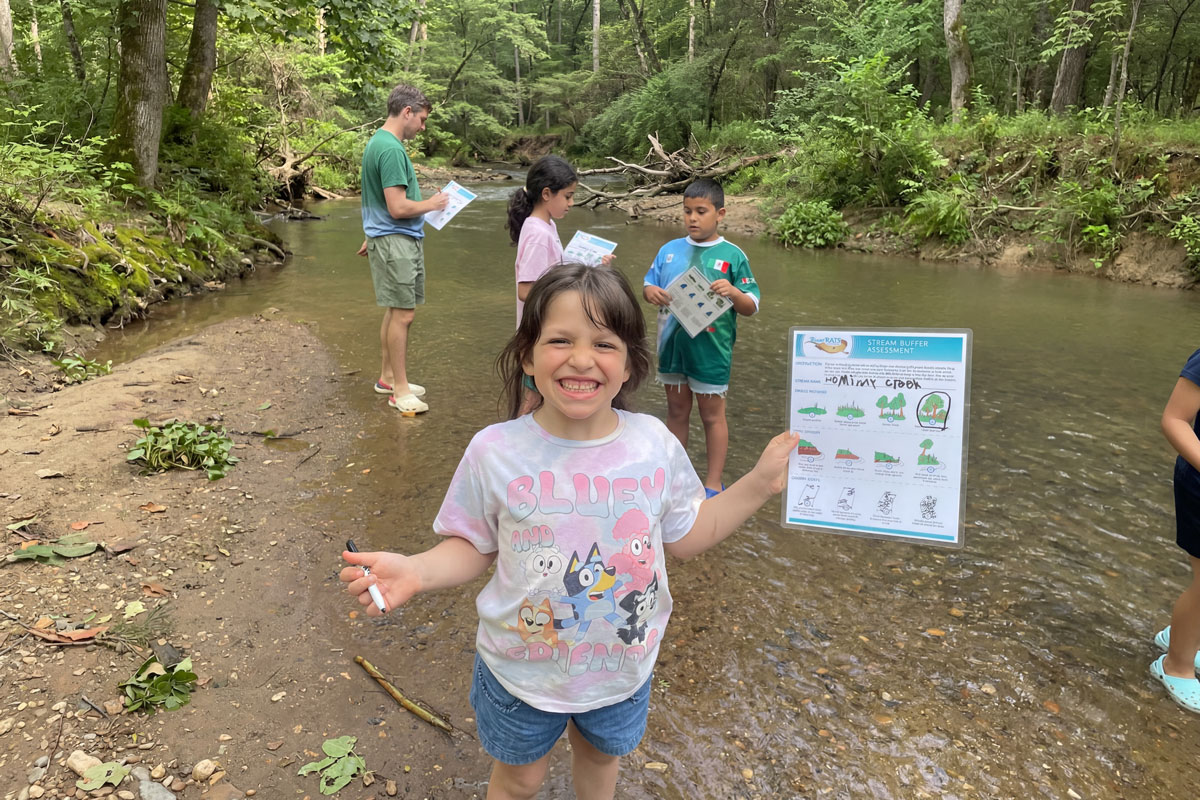 | Speak for the Trees | A New Educational Offering Have you ever noticed a stream bank that is steeply cut, lacking vegetation, its soil eroding? Riparian buffers – the vegetated areas of stream banks that flank a healthy river – are extremely important to water quality and ecosystem health. RiverLink’s new lesson, Speak for the Trees, invites students to become freshwater ecologists, and perform a riparian buffer assessment by investigating bank stability, species diversity, canopy cover and more in their local streams. Students later compare these to the social and emotional ecosystems of their own lives, by naming factors that serve as “stressors” or “protectors.” Using art supplies, they illustrate these ecosystem webs, and play a beading game that exemplifies the types of real-world pollution that can enter a river or stream. This multi-day lesson is currently being offered to our Out-of-School education programs. If you are interested in RiverLink facilitating this lesson for your afterschool or summer school program, please contact [email protected]. | | | | | |  | 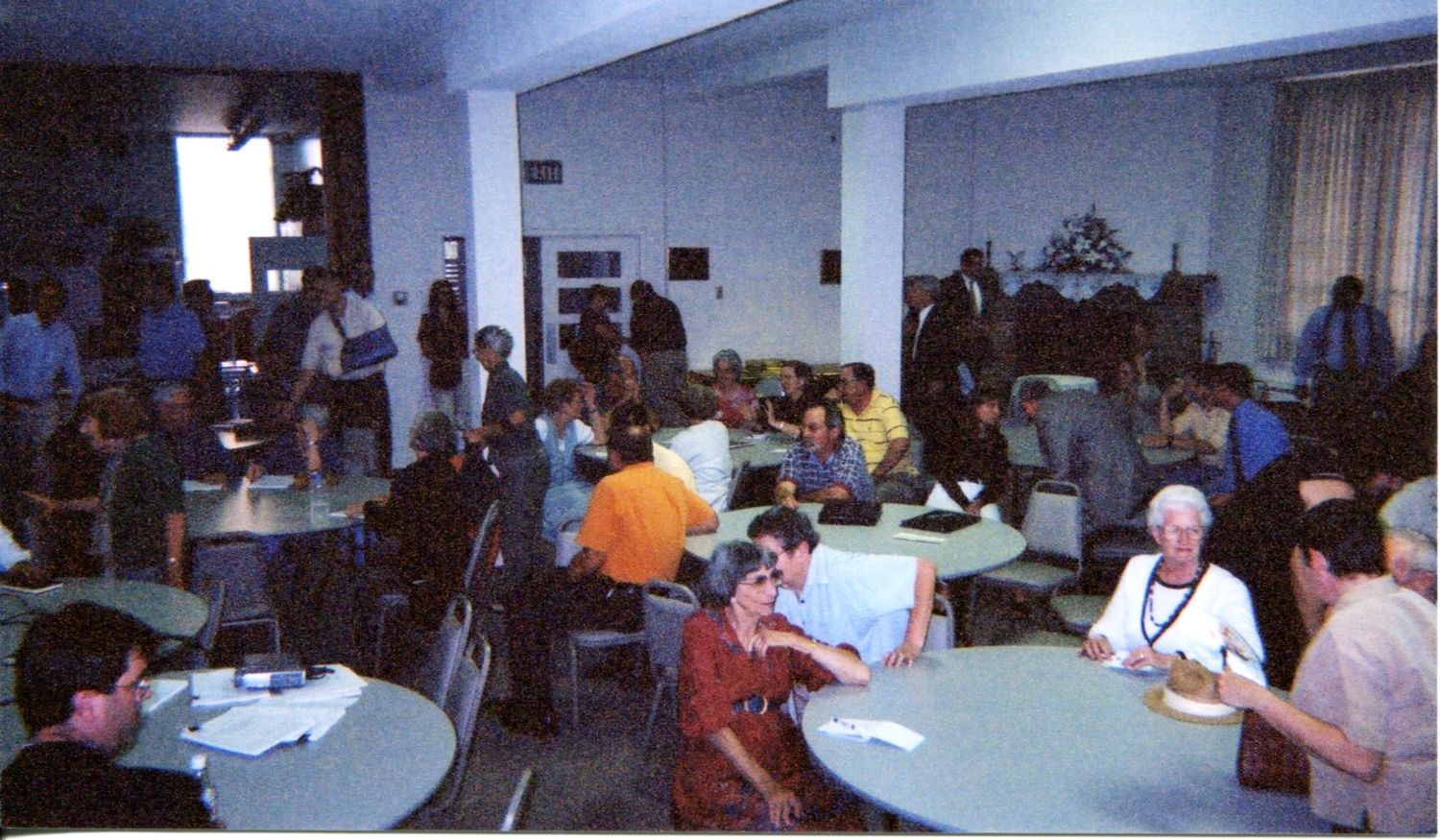 | Repurposing with Purpose | Informed by the River Long-time French Broad residents know the story from the 1980s — when Asheville’s once-vibrant downtown had become a shadow of its earlier glory, and the Chamber of Commerce hired a consultant to consider how to keep visitors to Biltmore Estate “one more day” to drive the local economy. The consultant recommended that the French Broad River be developed as a destination, a recommendation validated forty years later, when a WCU study identified the river as an economic engine worth $3.8 billion to the economy here. The ‘80s launched a process dubbed “Alternatives for Asheville,” when public workshops called “charettes” were held in multiple community centers and at City Hall. Without exception, every session recorded citizen voices clamoring for the revitalization of the French Broad as a mixed-use area with greenways, walking and biking paths, and remediation of the sites once occupied by polluting industries that had dominated the river’s banks. RiverLink founder Karen Cragnolin joined forces with historian Wilma Dykeman and community activists including Jean Webb to advance visionary ideas including repurposing the brick factories and warehouses into working artist studios and other enterprises, and the rest is history. Fast forward to the months following Helene, when RiverLink teamed up with stakeholders including Unified RAD to lead a similar set of convenings to support a thriving craft community where it intersects with a flood-prone climate in Asheville’s river district. Helene’s lessons remain fresh: recovery does not mean rebuilding in the same ways in the same places, if resilience is our aim. The ideas gathered provide a path to next-level regeneration with greater resilience near dynamic waterways. Check it out in the booklet created with the international design firm, Sasaki. | | | | | |  | 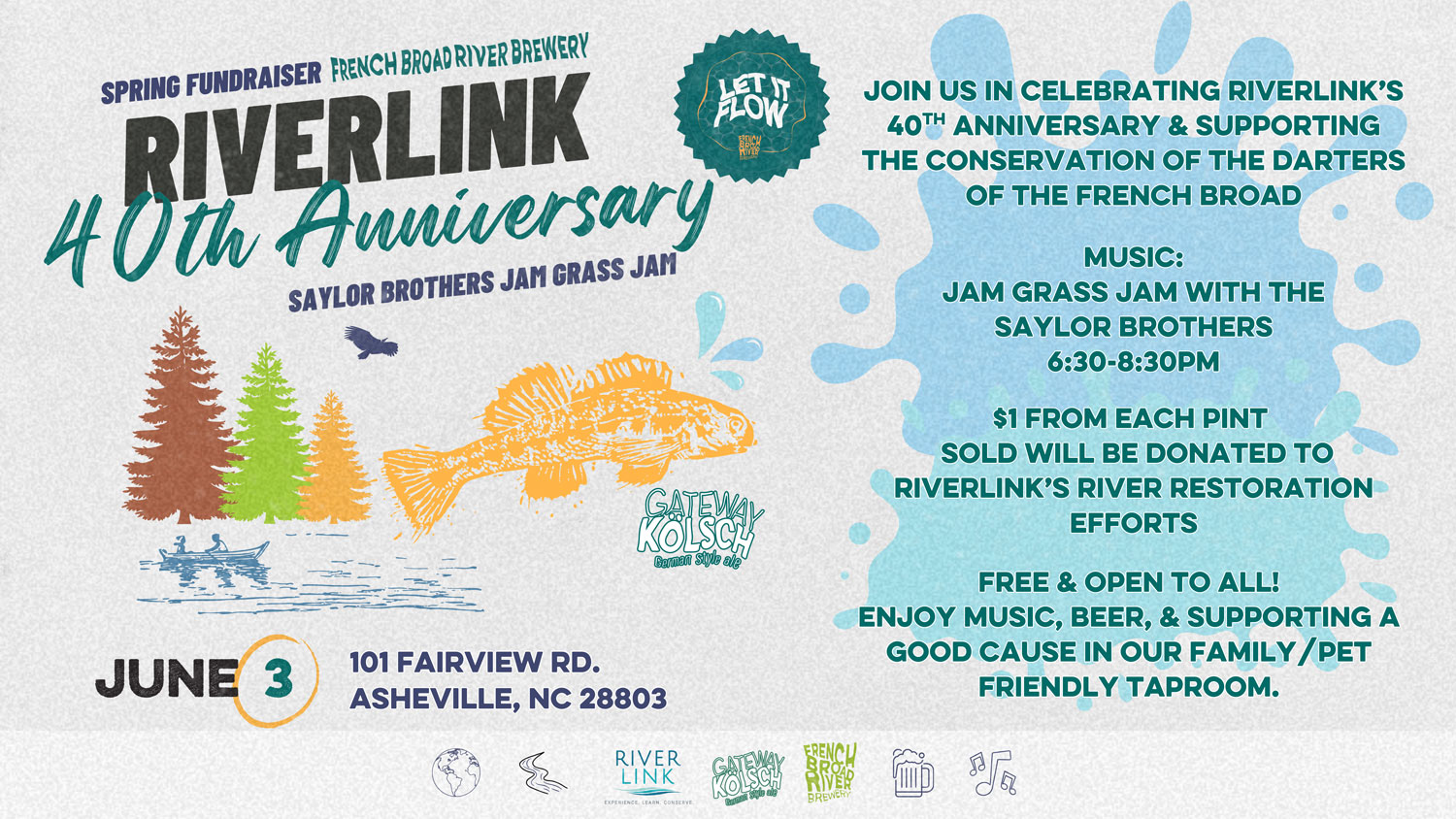 | Do It For The Darter at French Broad River Brewery RiverLink’s 40th year of work for natural habitats in harmony with human economies along the river means we’re looking to celebrate the journey — with YOU. Our friends at French Broad River Brewery are feeling it — their refreshing grolsch honors one of our native darters, and both the fish and the brew depend on clean water — so join us at the brewery the evening of June 3 for live bluegrass with Sayler Brothers. $1 from every pint sold will benefit RiverLink’s work! | | | | | | | | Other News & Events -
Last weekend the RiverLink office was turned into a wonderful gallery full of art and poetry submitted by local youth for our Voices of the River Contest. Seeing all the ways that water and the river has impacted these young artists and writers was a truly inspirational experience. We invite you to check out this year's winners and browse through all submissions for a little reminder of the important role waterways play in our community. View the submissions here. -
What happens when a life-long river lover gets called to give a TEDx talk? A heartfelt appeal to save our precious riparian zones, that’s what. See for yourself, then share Dr. Lisa Raleigh’s talk here. -
RiverLink is currently hiring for our Out of School Education Coordinator position through AmeriCorps Project Conserve. This is an 11-month position that helps bring environmental and art based activities to afterschool programs that serve primarily under resourced and marginalized students. Interested applicants can read more about the roles, responsibilities, and compensation on our employment page. | | | | Thanks for being part of our French Broad River community! | | RiverLink promotes the environmental and economic vitality
of the French Broad River and its watershed. Please join us with a gift today! | | | | | | | | | | | |


